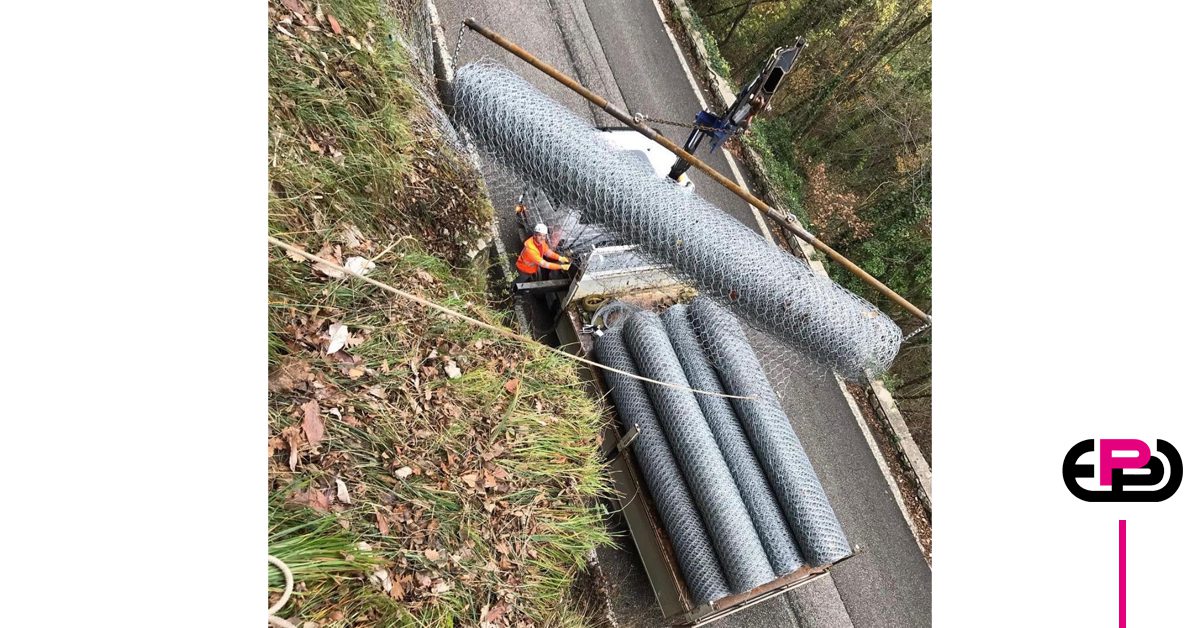
Rockfall protection is not just a mesh on a slope — it is an engineered safety system designed to perform when it truly matters.
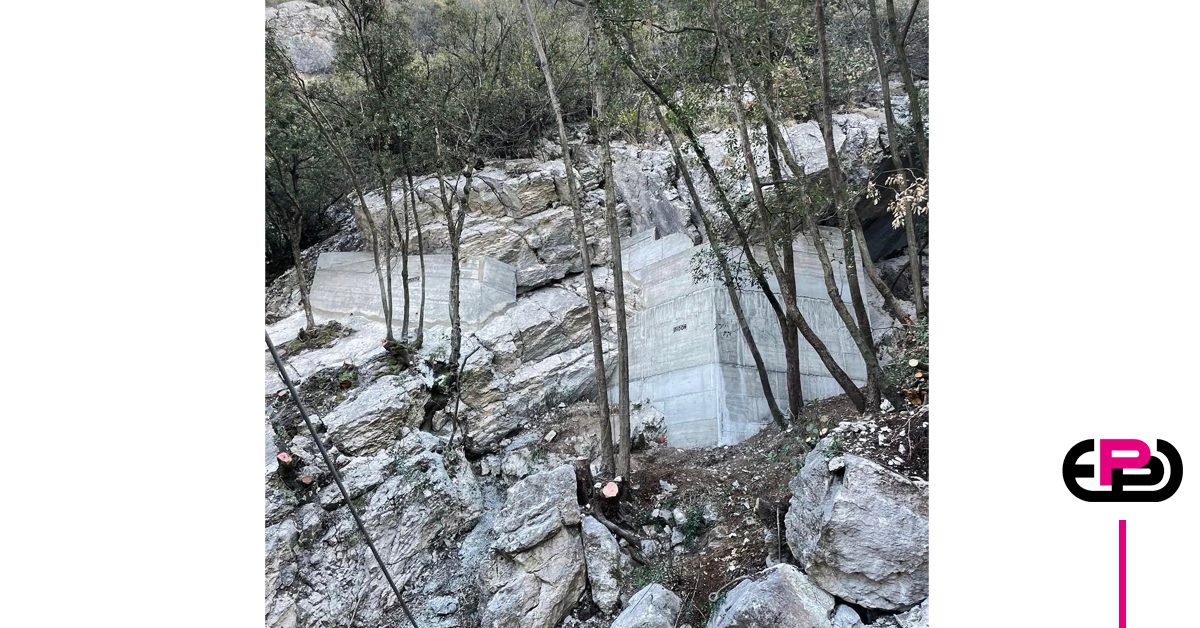
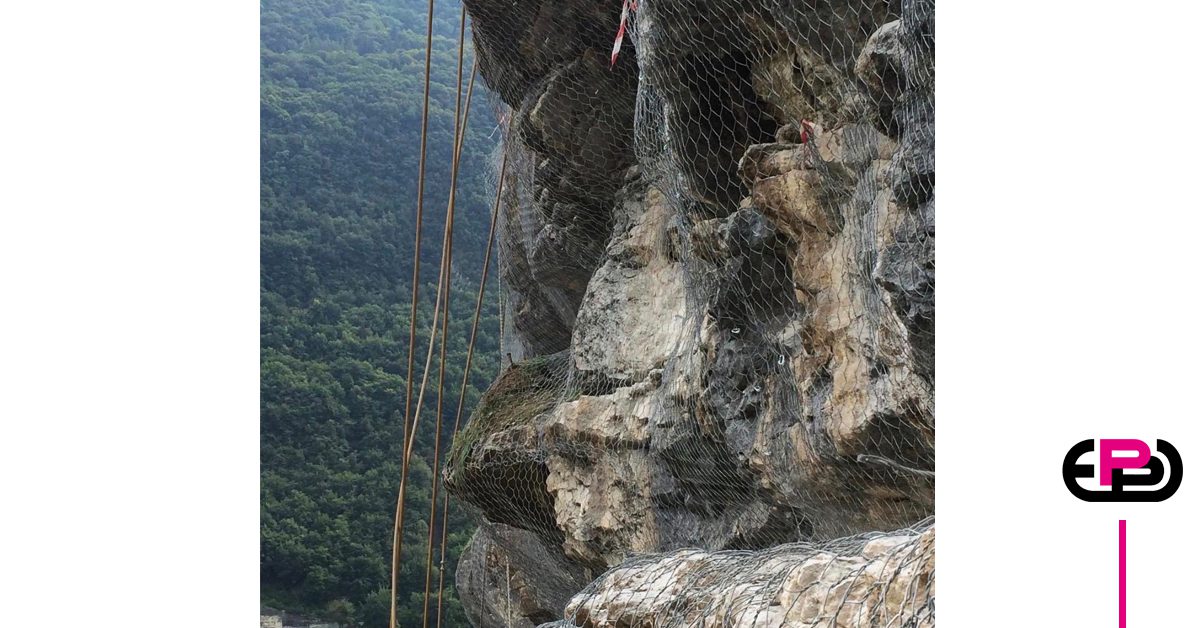
Every day we drive along mountain roads, walk beneath rocky slopes, relax on beaches, or work in exposed areas without thinking about what might be hanging above us. Rockfall barriers and rock mass stabilization systems play a crucial role in protecting people, infrastructure, and entire territories.
Yet there is an aspect that often goes unnoticed. Behind every installation there are highly skilled professionals working in challenging environments, often suspended on steep rock faces, combining technical expertise with focus and courage.
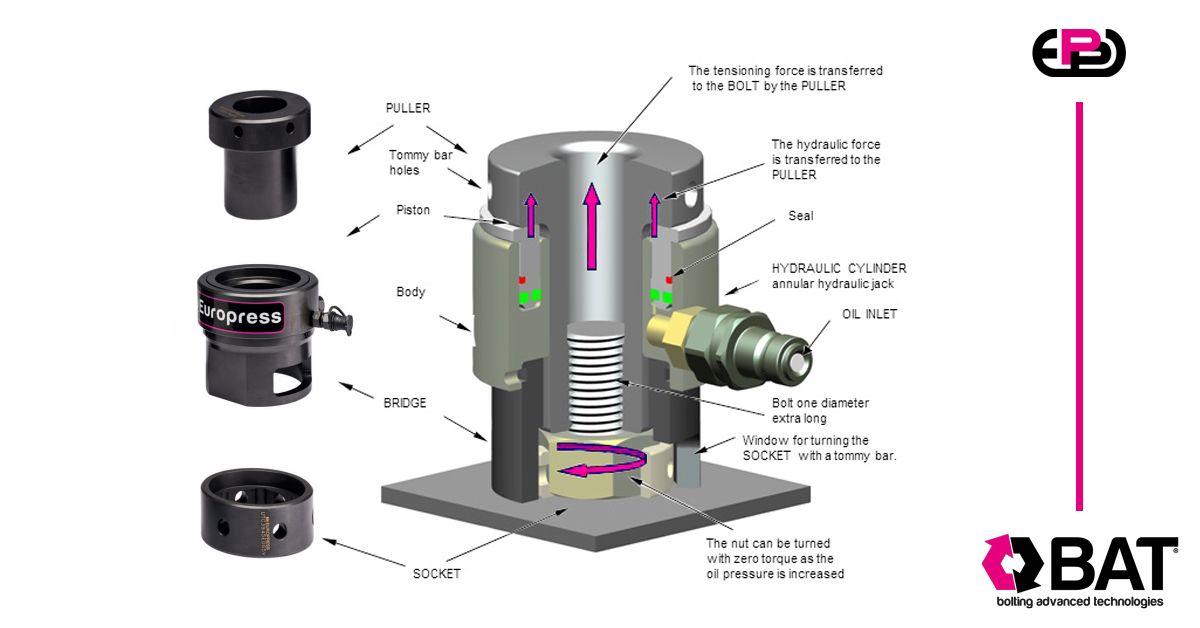
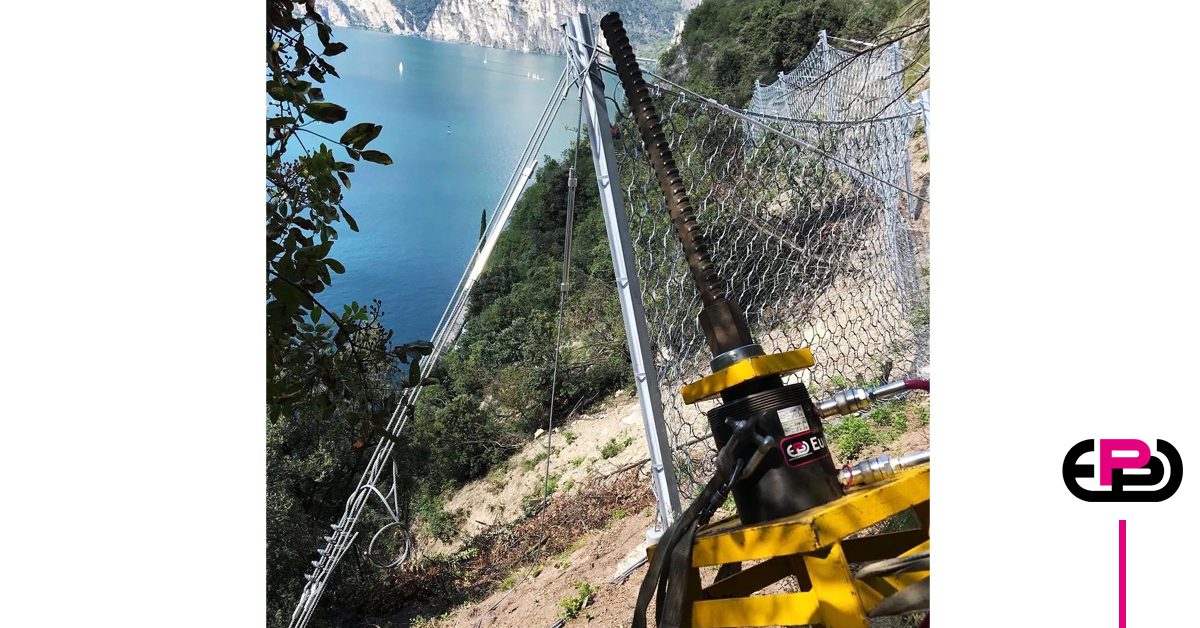
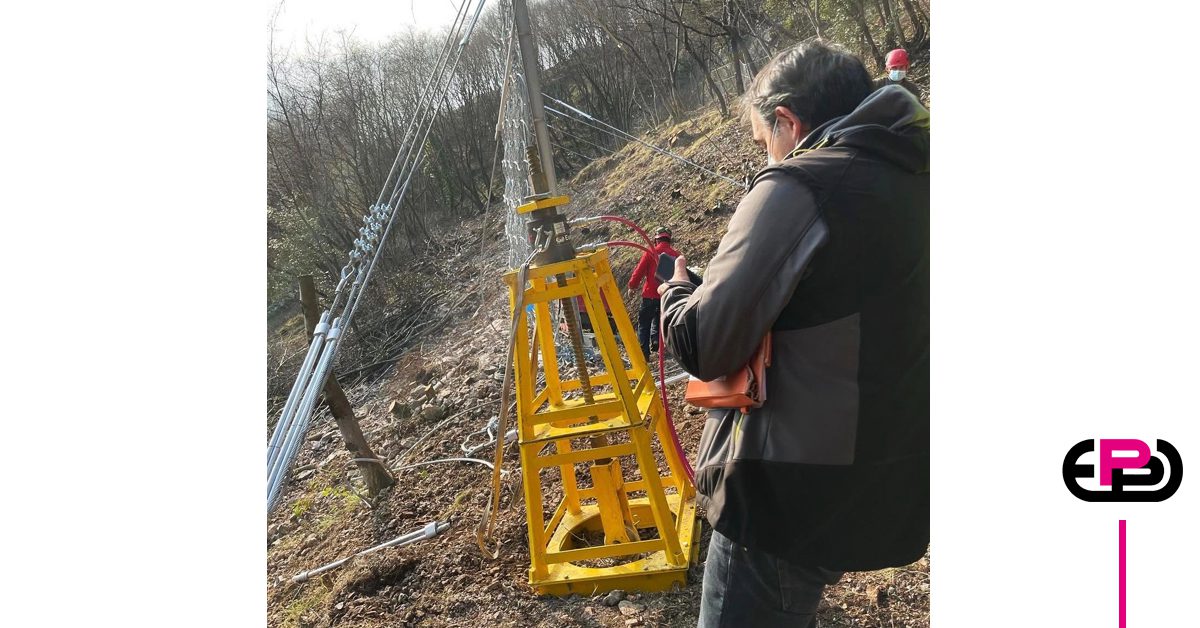
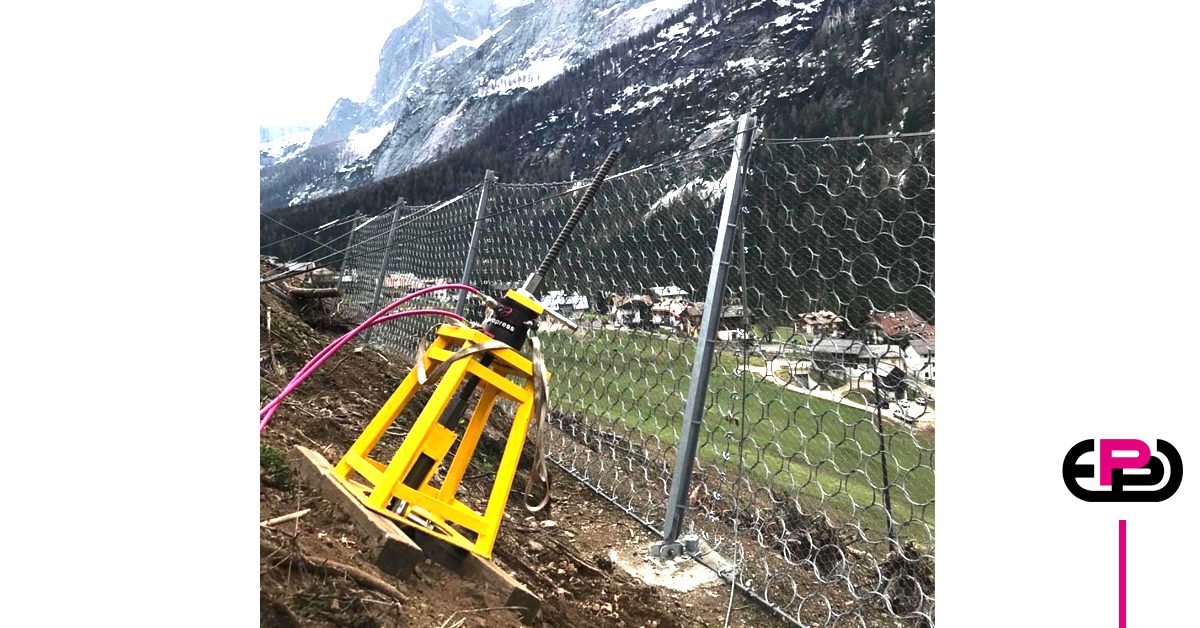
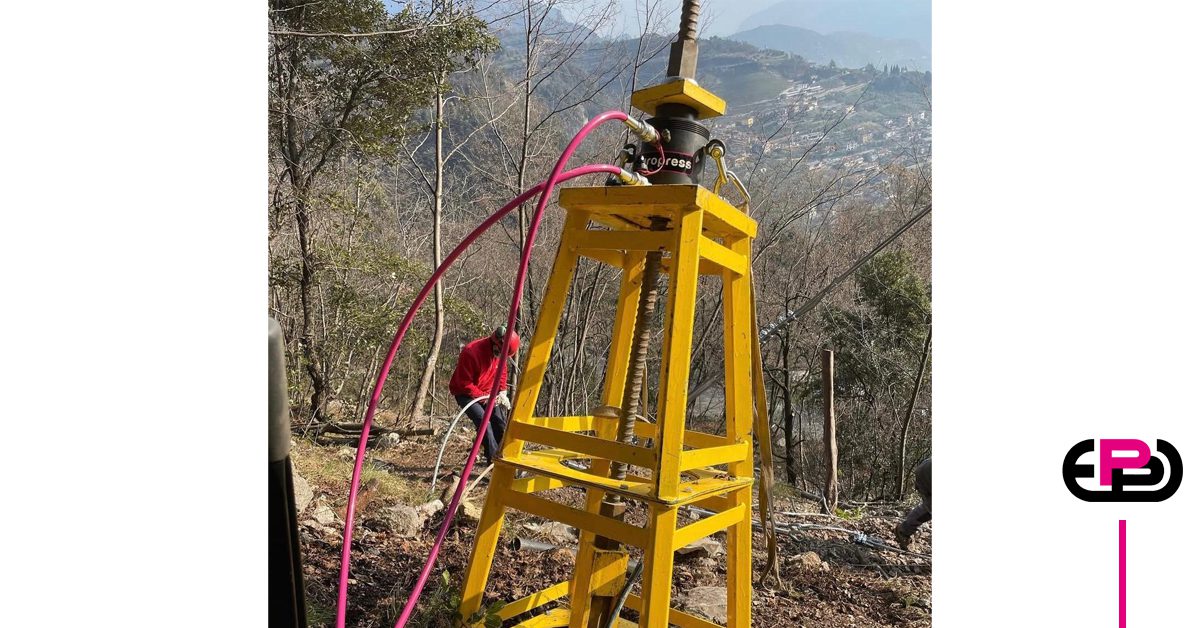
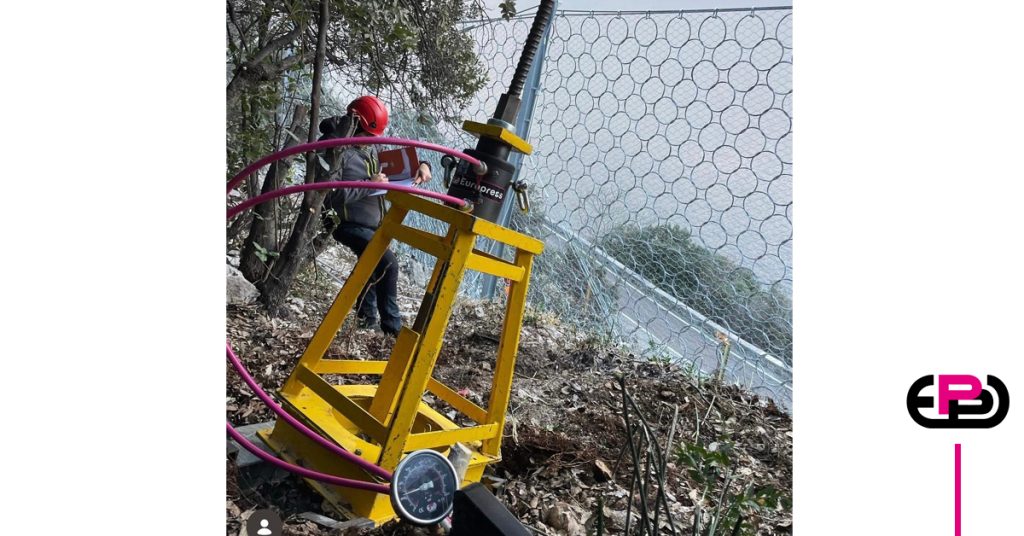
And a proper intervention does not end with installation. During testing, pull-out tests are performed on anchors — bars, rock bolts, and tendons — using hydraulic cylinders connected to manual or electric pumps.
These tests are not a mere formality. They are essential to confirm that each anchor delivers the load capacity required by design and that its bond to the rock or soil can withstand long-term stresses. They certify that the system has been installed in full compliance with technical specifications and, above all, ensure real, measurable safety — not something assumed on paper, but something verified in the field.