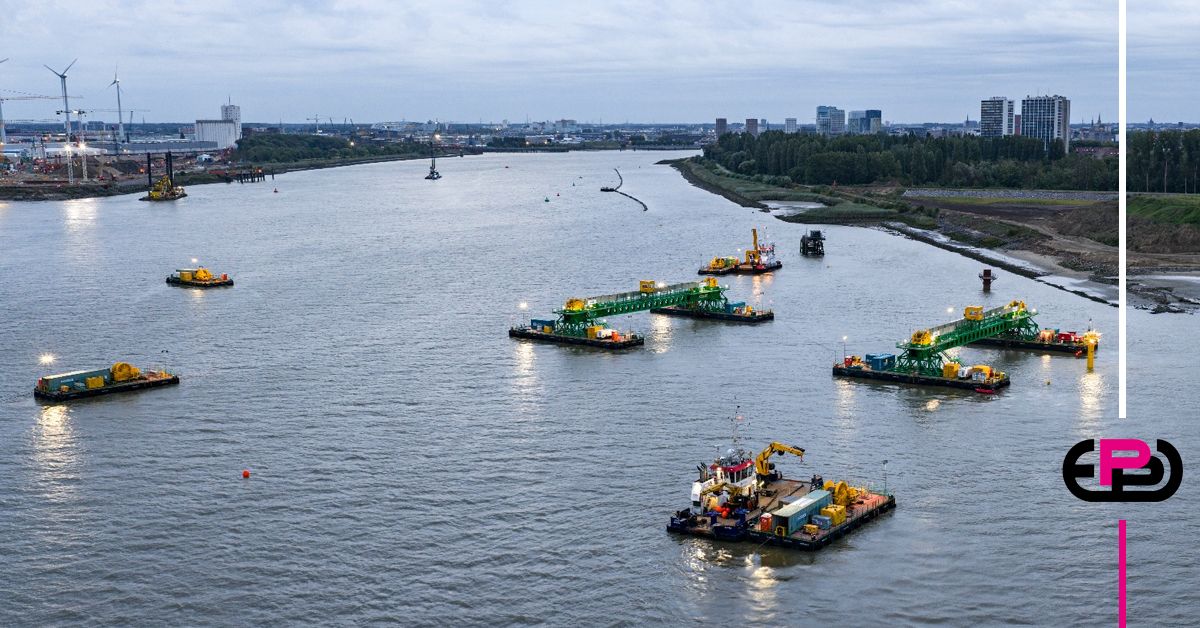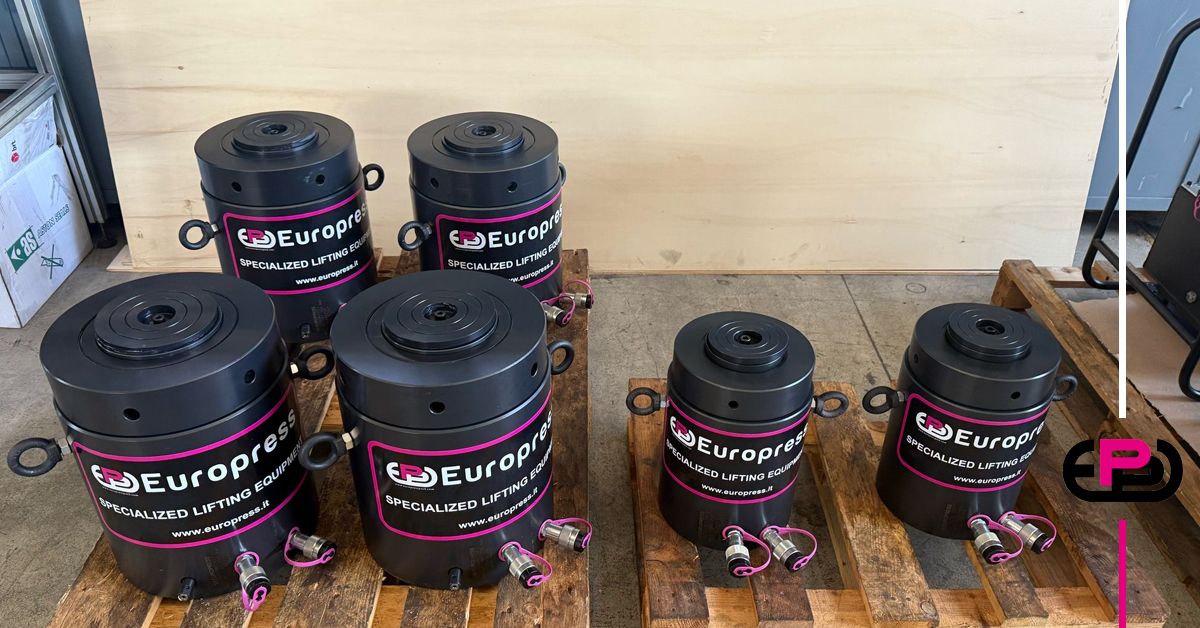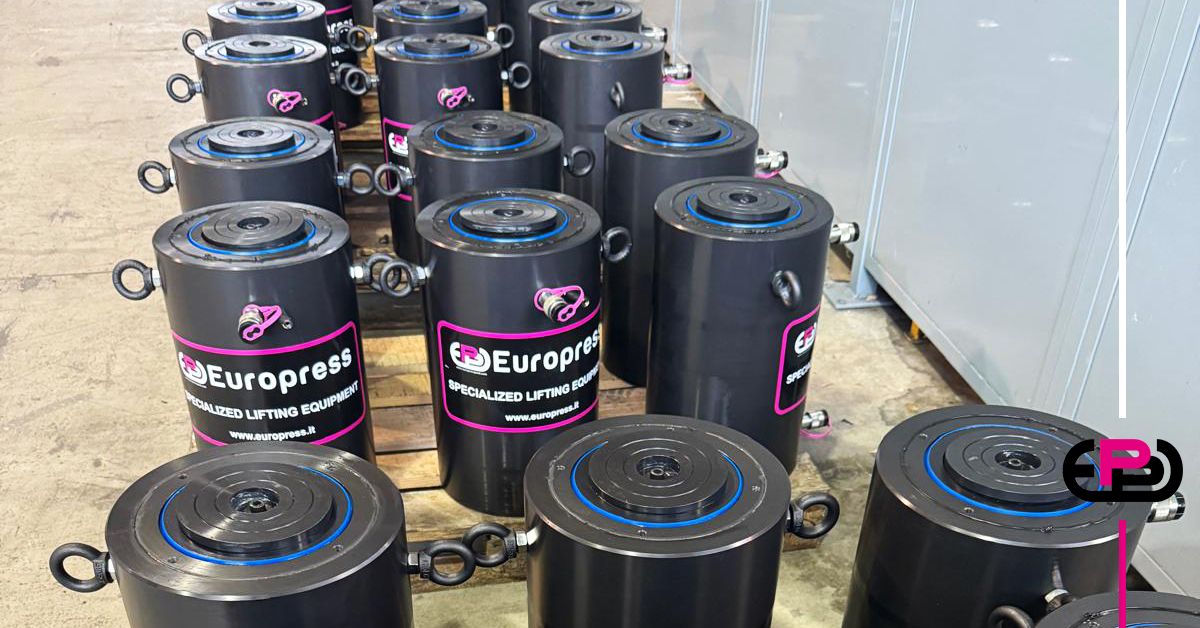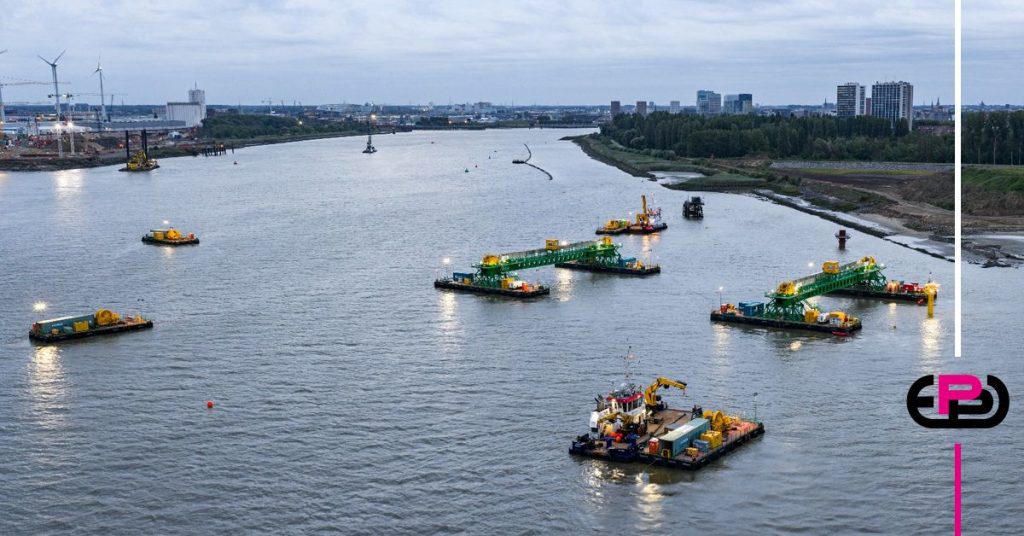
Europress supplied the hydraulic cylinders used by Molhoek Infratechniek B.V. during the realization of the Scheldt Tunnel, a key infrastructure project within the Oosterweel Link in Antwerp. Working on behalf of IMMONTEC, Molhoek supported the immersion and positioning of the tunnel elements with a highly specialized hydraulic setup.
Eight tunnel elements were built near Zeebrugge and transported 123 km to the north of Antwerp, where they are being immersed and assembled into a traffic tunnel. After immersion, each element must be moved into the correct position, with the operation precisely monitored using GPS.
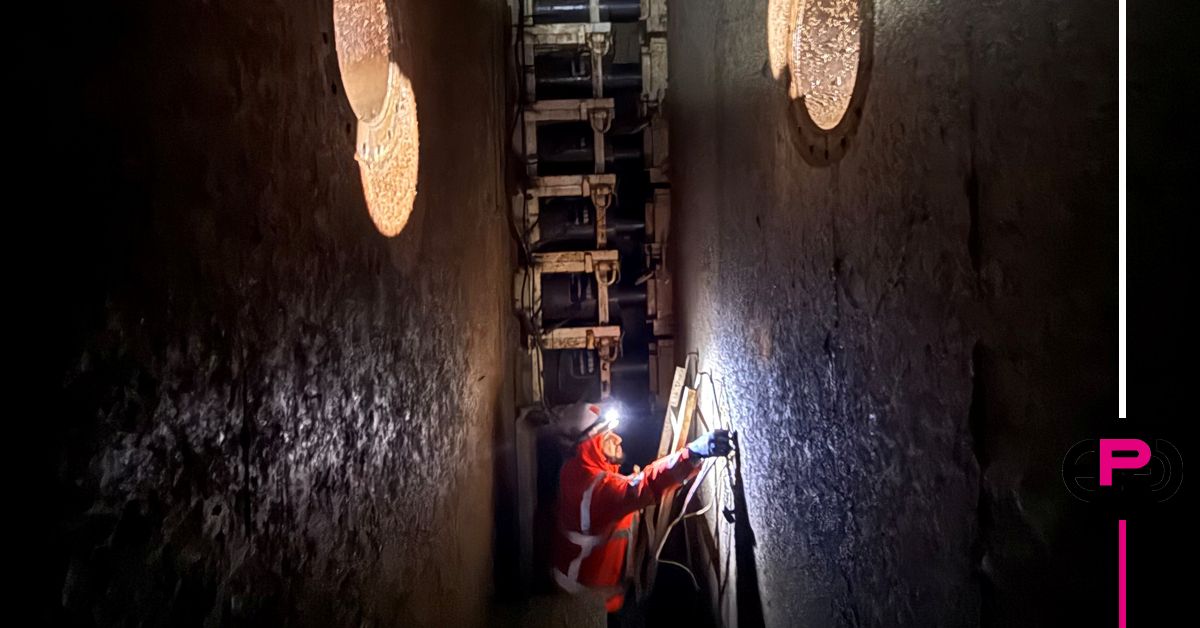
For positioning, Molhoek uses various jacking systems. Pulling cylinders mounted on the roof of the tunnel compress the rubber Gina profile to seal the immersion joint between two elements. Inside the element, jack pins rest on a so-called tile in the immersion trench to adjust height and roll on the secondary side. Together with the primary supports, the jacking forces are monitored during the flooding of the elements.
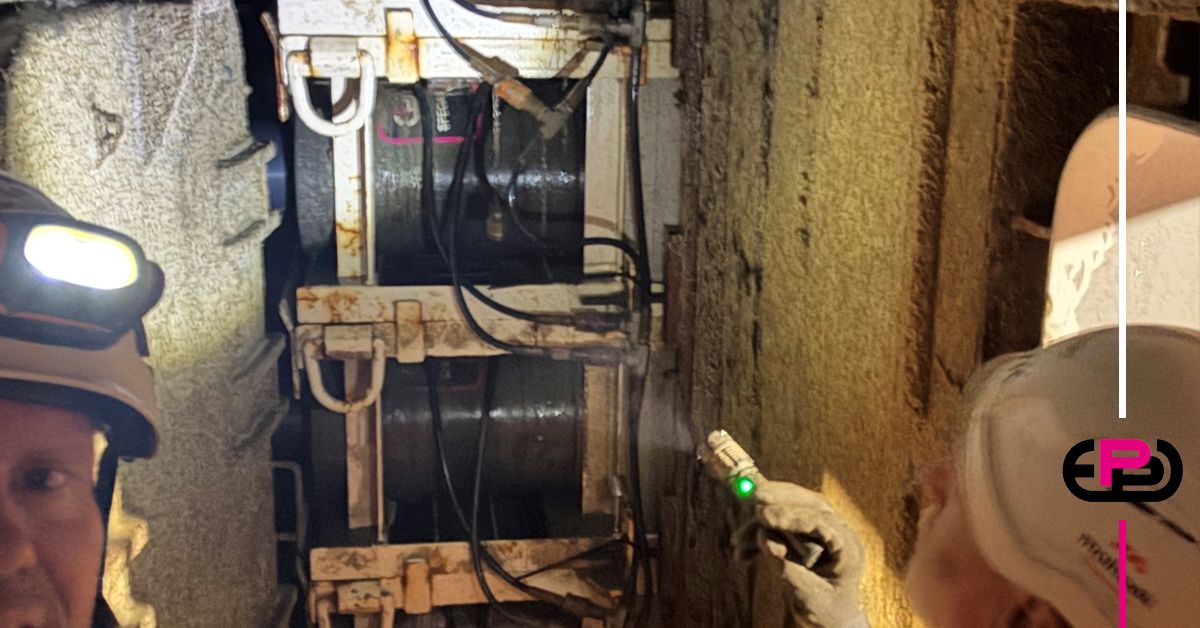
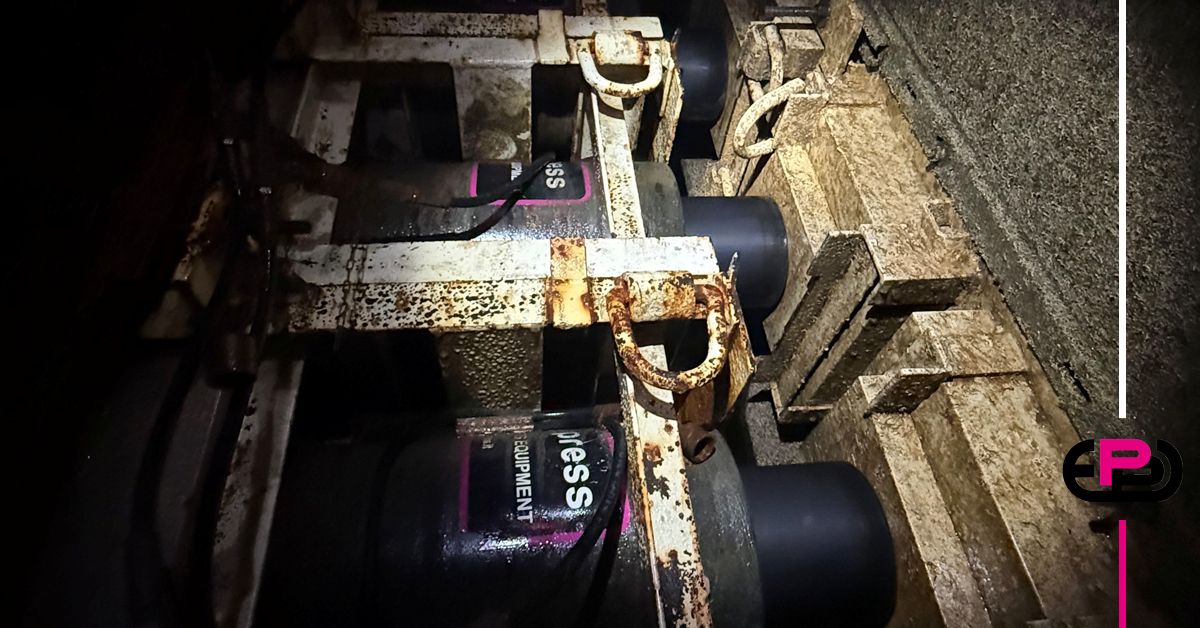
Horizontal alignment is achieved through a wagging system installed in the joint between the elements at the outer wall. On each side of the tunnel, a tower of ten double-acting 700 bar high-pressure cylinders, each with a capacity of 300 tonnes and a stroke of 300 mm, provides a total pushing force of 6,000 tonnes.
For this application, the hydraulic cylinders were equipped with additional seals to prevent seawater ingress during operations at depths of up to 50 metres underwater. Europress’s standard internal and external Nitreg ONC surface treatment ensures excellent corrosion protection, making the jacks suitable for harsh marine environments.
The cylinder towers are installed by divers on the tunnel wall and connected to hydraulic hose sets routed through flange penetrations in the bulkhead into the tunnel, where they are connected to hydraulic power units. After flooding and securing the position, the cylinders are retracted, dismantled and moved to the next tunnel element.
This final stage of the positioning process is carried out entirely underwater and out of sight.
Thanks to HyPower.nl and Guido van Rhee